|
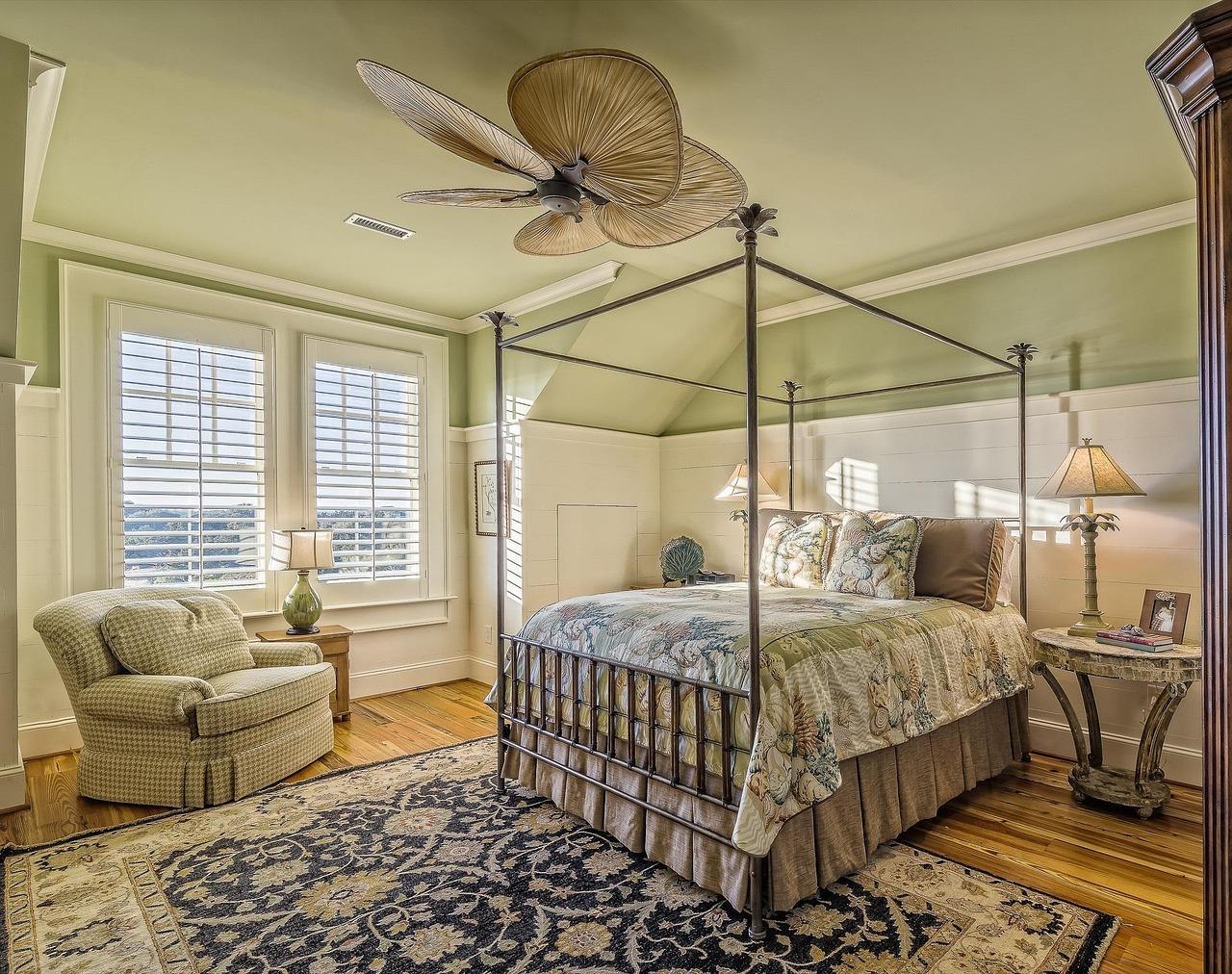
Le lit est bien plus qu’un simple meuble. Il reflète notre manière de vivre, notre rythme, nos priorités. Pour certains, il est un cocon de calme où se reposer pleinement ; pour d’autres, un espace multifonction entre lecture, travail, détente et même partage familial. Face à cette diversité d’usages, choisir un lit adapté à son mode de vie est essentiel pour se sentir bien chez soi – jour après jour, nuit après nuit. Entre les différents modèles, matériaux, formats et fonctionnalités disponibles, il peut être difficile de s’y retrouver. Pourtant, un lit bien choisi peut transformer une chambre en un véritable espace personnel, pratique et harmonieux. Voici quelques pistes pour trouver le lit qui correspond vraiment à votre quotidien. Le lit pour les adeptes de confort absoluSi votre chambre est votre sanctuaire, un lieu de repos sacré où le confort est une priorité absolue, certains modèles s’imposent d’eux-mêmes. Le lit boxspring, avec sa structure à plusieurs couches, offre un soutien exceptionnel et une sensation d’enveloppement proche de celle des hôtels haut de gamme. Il convient particulièrement aux personnes sensibles au confort dorsal ou en quête d’un sommeil profond et réparateur. Dans cette même logique de bien-être, les lits avec tête de lit rembourrée ou réglable permettent de lire ou de regarder un film confortablement adossé, sans multiplier les coussins. Les tissus doux, comme le velours ou les fibres naturelles, renforcent la dimension sensorielle du mobilier. Un matelas de qualité, un surmatelas adapté et une literie respirante complètent parfaitement ce type de lit. L’accent est mis ici sur la sensation de douceur, la qualité du sommeil et l’envie de passer plus de temps dans son lit – pas seulement pour dormir, mais aussi pour se détendre pleinement. Le lit pour les vies actives et les petits espacesQuand chaque mètre carré compte, le lit devient un élément stratégique. Pour ceux qui vivent en studio, en colocation ou dans un petit appartement, le lit avec rangement intégré ou le lit coffre est une solution précieuse. Il permet de libérer de l’espace dans les placards en accueillant couettes, valises ou vêtements hors saison. Les modèles avec tiroirs latéraux sont idéaux lorsqu’on ne peut pas soulever le matelas, tandis que les lits escamotables ou les banquettes convertibles conviennent parfaitement aux espaces multifonctions, où la chambre fait aussi office de bureau ou de salon. L’ergonomie et la modularité sont ici les maîtres mots. On privilégiera un design simple, des couleurs claires pour agrandir visuellement l’espace, et des matériaux faciles à entretenir au quotidien. Le lit doit s’adapter au rythme de vie rapide, tout en apportant un minimum de confort et de style. Le lit pour les familles et les chambres partagéesDans les foyers où la chambre est aussi un lieu de vie familiale, le lit prend une dimension chaleureuse et conviviale. C’est parfois le lieu des histoires du soir, des câlins du matin, ou même d’un sommeil partagé avec un jeune enfant. Il doit donc être solide, spacieux et durable. Un lit queen size ou king size est ici recommandé, pour offrir assez de place sans se gêner. Les matériaux résistants, comme le bois massif ou les tissus robustes, sont à privilégier. Un lit bas peut être plus sécurisant avec de jeunes enfants, tandis qu’une tête de lit capitonnée évite les chocs. Certains modèles sont pensés pour évoluer avec la famille : lits gigognes pour enfants qui accueillent un ami à dormir, lits évolutifs qui s’allongent au fil des années, ou encore lits familiaux extra-larges conçus pour le co-sleeping. Dans tous les cas, le confort et la fonctionnalité doivent primer sur le style – sans pour autant l’abandonner. Le lit pour les esthètes et les passionnés de décoPour certains, le lit est avant tout une pièce centrale de design, une expression du goût personnel. Il peut se faire sculptural, graphique, romantique ou ultra-minimaliste. Les matériaux, les formes et les finitions jouent un rôle majeur dans la mise en scène de la chambre. Un lit en bois naturel avec lignes épurées conviendra à une ambiance zen ou japandi. Un lit en métal noir s’intègrera parfaitement dans un intérieur industriel ou urbain. Les têtes de lit texturées – en cannage, en cuir ou en tissu matelassé – apportent du relief et du caractère à l’ensemble. Le choix du lit est ici autant esthétique que fonctionnel. Il s’accompagne souvent d’éléments coordonnés : tables de chevet assorties, linge de lit soigneusement choisi, éclairage étudié. L’objectif ? Créer une atmosphère unique, où chaque détail contribue à un sentiment de confort visuel et sensoriel. Un lit à votre image pour mieux dormir et mieux vivreLe bon lit, ce n’est pas seulement celui qui est joli ou tendance. C’est celui qui s’adapte à vos besoins réels, à votre rythme, à vos envies. Que vous cherchiez un cocon douillet, un meuble pratique ou un objet design, il existe un lit fait pour vous. Prendre le temps de réfléchir à son usage, à l’espace disponible, à la façon dont on vit la chambre permet de faire un choix éclairé. Et lorsqu’on trouve le bon, le lit devient bien plus qu’un lieu pour dormir : il devient un point d’ancrage, un repère quotidien, un vrai plaisir. |